
My Story of Recovery from Trauma and Addiction
This page shares the personal story behind my work. It includes references to childhood trauma, addiction, suicidal despair, and recovery. I share it not because I believe everyone’s story is the same as mine, but because I want people to know that healing is possible, even when life has taken you to very dark places.
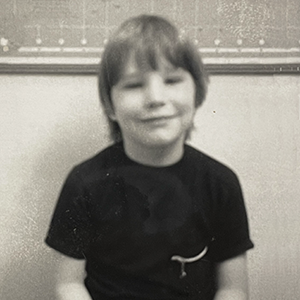
I started out as an adventurous and happy kid who was charismatic, outgoing, and kind. Even when I did something wrong, the adults in my life said that I had such a sweet disposition that they had a hard time being angry with me. Unfortunately, the combination of emotional neglect, disrupted attachment bonds with my parents, and a string of traumatizing events would turn me into a very different person.
Like many children who experience emotional trauma, I had no way of understanding at the time how deeply those experiences were shaping my developing brain, nervous system, and sense of self. That didn’t happen until much later in life.
In fact, it wasn’t until I was sitting in a lecture on the effects of male sexual abuse that I first had any inkling that I was struggling with the effects of trauma. As the instructor went through his presentation on the effects of childhood sexual assault on boys, I was fascinated by what he had to say. Every word he said seemed to resonate with me. At one point, he listed the common symptoms seen in adult men who had experienced sexual trauma as children, such as dissociation, addiction, difficulty urinating in public restrooms, precocious hypersexuality, ADHD, and a few others. I sat there stunned. I had every single one of the symptoms he listed—and to a significant degree.
For days afterwards, I wracked my mind to remember what may have happened. The only thought that kept coming up was about a school that I had attended when I was about five years old. I couldn’t recall any details, but there was a nagging sense that something very awful happened to me there.
The Abuse at the School
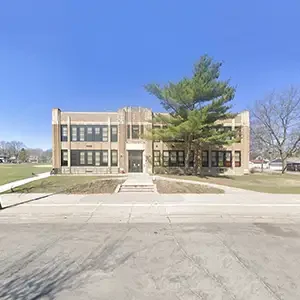
I don’t remember much about it, only flashes of memory that seem bizarre and disjointed. I remember hiding under a car in the parking lot while someone was trying to find me. I remember being in a dark hallway in the basement. I remember feelings of being trapped, nausea, and panicking. Aside from those flashes, I had no memory at all. There is a part of me that wishes I could recall what happened at that school. If I could, then I could point to it and say, “See! That’s why I was so messed up!” But my experience at that school is merely a jumble of sensations, images, and feelings. While the emotional consequences of the trauma still live within me, any detail about what actually occurred was never encoded into any coherent memory. There are bits and pieces, but nothing that makes sense.
I have since come to understand that a lack of memory of a traumatic event is common when children experience abuse, particularly sexual abuse. In reality, the details about what happened probably don’t matter all that much. Remembering wouldn’t change the damage that was done to my sense of self, it wouldn’t reduce the impact that the trauma had on the emotional circuits in my brain, and it wouldn’t make healing any easier.
Feeling Broken and Alone
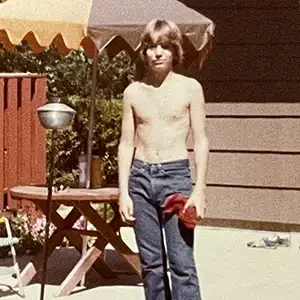
The events from that school are not the only reason why I struggled with a broken sense of self. Growing up with alcoholic parents in a chronically dysfunctional home played a more significant role in my damaged sense of self. My life was marked by emotionally absent parents, being mocked, and living with a deep sense of isolation. Although I did my best to make people like me, I never felt I belonged. As I progressed through my teens, my sense of alienation and self-hatred continued to deepen. I did my best to put on a fun smile, but I knew deep down that I was unlovable and if anyone really knew me, they wouldn’t like me. Dissociating into an imaginary world was not something I chose to do. It was the place my mind went to avoid the pain of being alive.
At the age of 14, I discovered alcohol and drugs, and I LOVED them. They were the only thing that made me feel whole. That made me feel like I belonged and was a worthwhile human being. This was what I had been looking for, and I never wanted that feeling to end.
By the time I was 16 years old, I was an almost daily user, and my behavior was becoming more and more erratic. I once broke into a friend’s apartment and threw a party where I took 7 hits of acid, we consumed many cases of beer, and smoked almost a half-pound of marijuana over a period of three days. At the time, I could not even recognize how insane my life had become.
Descent into Addiction
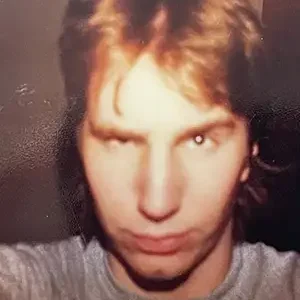
Unfortunately, the experiences of abuse and emotional neglect that I had experienced growing up resulted in me entering into adulthood as a depressed, suicidal, and disoriented human being. By the time I was 18 years old, I was an addict who lived in an abandoned house and was literally using drugs to die. I was so dissociated from my emotions that I often bragged about not having any emotions at all. The reality was quite different. My internal world was seething with feelings of hurt, worthlessness, emptiness, anger, disorientation, and self-hatred. Marijuana, alcohol, and LSD were the only things that gave me a reprieve from having to feel, and at the time, I would rather have died than feel.
In my short time on the planet, I had lived with the debilitating effects of emotional trauma, and I was just done. Life had blown a hole through my soul, and carrying around the emptiness and pain had worn me down to the point where I just didn’t want to live anymore. I was functionally illiterate, profoundly depressed, and I felt alone and helpless. I just wanted it all to end.
The Day Everything Changed
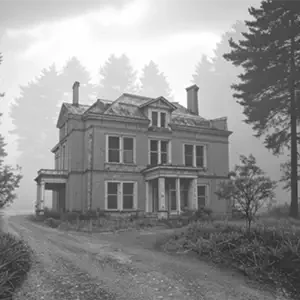
It was about 2:30 in the morning on September 10th of 1983, and I was standing in the kitchen of the abandoned house when I suddenly felt my body freeze in place, and I was surrounded by a pale yellow light. Everything in the room seemed different. It was as though the room had expanded by about 20 feet in all directions. And nothing had any color other than the yellow hue from the light that enveloped me. I didn’t feel scared. If anything, I felt a sense of calm. After a moment, I heard a resounding voice say “You don’t have to live like this anymore.” Then it was all over. Although I didn’t realize it at the time, that was to be the single most important moment in my life. A moment that literally pulled me out of my own self-destruction.
Some people have asked me whether I thought it was an acid flashback, others have asked me if I thought it was God intervening in my life, and others simply don’t believe my story. Having experienced acid flashbacks, I can say with certainty that it wasn’t that. I wasn’t even high at the time it happened. Was it God? I honestly don’t know. All I know is that the experience was real, and it caused a fundamental reorientation in my life. What I didn’t realize at the time was that although I had gone to that house to die, what I had been gifted was an opportunity for a new life if I was willing to put in the work. That was over 40 years ago and I have been completely clean of all alcohol and drugs ever since.
Sober and Struggling
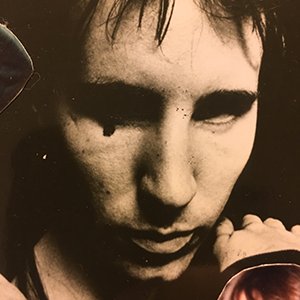
I wish I could say that the moment I became sober that I was suddenly happy, joyous, and free. But that was not the case. I was an utter emotional and psychological wreck, and I no longer had drugs and alcohol to numb the emptiness and pain. Every day, I felt myself being thrown around by a chaotic storm of dysregulated feelings and racing thoughts that I didn’t understand. I had a pattern of intense urgency to be somewhere else or to start something new in a desperate effort to “finally find myself”, only to become dissatisfied again once I started to achieve some success. My emotions would cycle through periods of effusive enthusiasm and hope, followed by a complete internal collapse where I felt intense feelings of hopelessness, worthlessness, and isolation. Emotional flashbacks of intense violent imagery flooded me on an almost daily basis.
During this whole time, I recognized that something about me was not normal. What appeared to be so easy for other people seemed hard or impossible for me. I could tell that something about me was different, but I couldn’t figure out what it was. I was afraid to open up and share my thoughts and feelings with others because it seemed that every time I did, I felt them pull away from me as though I was some kind of freak. So, I developed a convincing facade of normalcy to keep people from knowing the real me and fumbled my way along the best I could.
The Difficult Journey of Healing
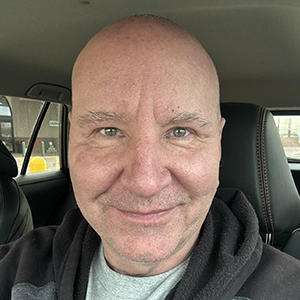
From the moment that I had that defining experience in that abandoned house, I decided that I was willing to do whatever it took to recover and become successful. I didn’t care if it killed me. Although I made a lot of mistakes in my journey of recovery, the one thing I never did was to quit. I was simply unwilling to continue down the same path of self-destruction I had been on. Unfortunately, there just wasn’t the understanding of the emotional, mental, and relational effects of trauma back then that we have today. So, much of what I learned was through trial and error. Through tenacity and a willingness to try anything, I discovered what works and what doesn’t. In fact, much of the work I do with my clients today came from decades of personal experience.
The person I am today does not remotely resemble the illiterate and suicidal drug addict that I once was. I am living proof that your past does not have to equal your future if you are willing to put in the work. It is not your fault that you experienced emotional trauma. That was out of your control. What is in your control is what you will do about it going forward. My hope is that the information that you will learn from working with me will help you build a better version of yourself, create relationships that last, and experience the kind of life that you were meant to have.
What I now understand is that trauma had damaged the foundations of my sense of self. I did not know who I was. I did not feel safe. I felt profoundly alone. I did not believe I mattered. And I had no sense that I could affect my world in any meaningful way. Recovery was not simply about getting sober or becoming successful. It was about becoming human again.
If parts of your own story have left you feeling disconnected from yourself, unsafe in relationships, or unsure whether healing is possible, I want you to know this: your past may have shaped you, but it does not have to define the rest of your life.